
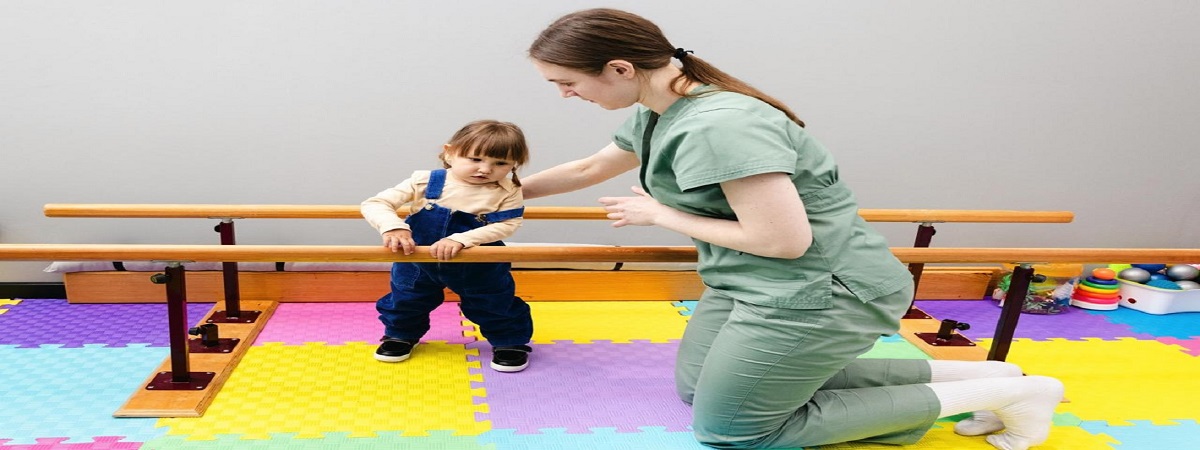
ABA Therapy is evidence-based approach used for reducing challenging behaviors & adding helpful behaviors to improve social, communication, and learning skills in children with autism.
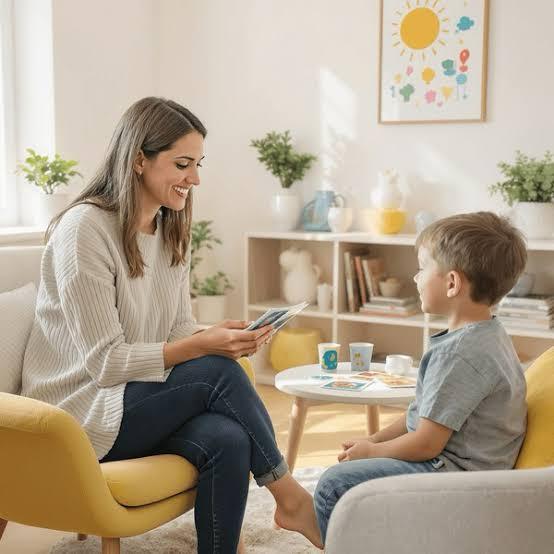
We use positive reinforcement and gentle guidance to help children develop essential life skills. Our ABA Therapist works closely with parents to understand behaviors and create strategies that encourage self-regulation, independence, and confidence.
We Build strong communication and social skills via social stories, and interactive activities to help children express themselves, understand emotions, and connect with others.
Autism is sometimes described as a social/communication problem. Processing auditory information is a critical component of social communication, and people with autism spectrum disorders typically have problems processing this information. One problem occurs when a person hears speech sounds but does not perceive the meaning of the sounds.
Eye contact Builds connection and readiness for communication. Proper eye contact allows child to read facial expressions and interpretate emotions. Rewarding eye contact given by child by praising and clapping will boost child confidence.
Our ABA therapist will help child to learn action imitations such as clapping, tapping, waving. Learning facial imitations like opening and closing mouth, lip popping, blowing. And helping child to learn sound imitations like ma, ba, ah etc.
by helping child to understand sounds of different types. Environmental sounds e.g. knocking, tapping, clapping. Understanding animal sounds like moo, baaa, meow. Understanding and identifying vehicles sounds like vroom, beep etc.
using different strategies to help child how to associate object with its sound.
by using structured, stimulated situations such as role play, social scripts or video modeling to teach social communication, emotional regulation and daily adaptive skills.
By using visual cards or objects Our ABA therapist builds sound awareness and babbling in autistic children with structured approach combing sensory integration, interactive play and targeting phonological training that encourage vocalization, such as imitating child sounds, using high-pitched/rhythmic speech, and utilizing toys to prompt interaction. Focusing on face-to-face interaction and repeating simple, consonant-vowel sounds ("ba," "ma") helps build communication foundations.
in autism, ADD, ADHD by teaching essential, everyday communication skills by verbal or signed to replace challenging behaviors with, or to express needs, wants, and feelings. It involves identifying the purpose of a behavior (e.g., seeking attention or escaping a task) and reinforcing a new communicative response instead of the behavior.
In Autism Children try to show similar patterns of learning words that are highly connected to their existing knowledge, they may face difficulties in understanding the depth and context of words and situations. ABA Therapists works to improve word vocabulary and how to organize words into meaningful sentences.
ABA Therapist uses clear, concise communication and give time (usually 6-second rule) to think, allowing processing language. Our autistic children need more time to interpret spoken language.
